
Table of Contents
Key Takeaways
- Assess your daily transportation needs and lifestyle requirements.
- Understand the different vehicle types and their suitability.
- Consider key performance metrics and technical specifications.
- Evaluate safety features and ratings.
- Factor in budget and ownership costs.
Choosing the right vehicle is a significant decision that can affect your daily life, budget, and long-term satisfaction. With countless makes and models to consider, it’s crucial to take a thoughtful approach to finding a car that truly fits your needs. Whether you prioritize comfort, performance, advanced technology, or practicality, taking the time to understand your options will pay off. For additional insights and to explore vehicles tailored to your unique preferences, learn more about today’s top models and features. Making a well-informed choice ensures that your car supports your activities, adapts to your lifestyle, and remains enjoyable for years.
Shopping for a new car doesn’t have to be overwhelming when you break the process into manageable steps. By evaluating your priorities and doing diligent research, you’ll narrow your choices and discover a vehicle that meets your functional and financial expectations. From urban dwellers needing a compact ride to families prioritizing space and safety, the right car is out there. Smart shopping begins with knowing what matters most to you, so you can confidently select a model that blends seamlessly with your daily routine.
Assessing Your Transportation Needs
Your transportation habits and lifestyle form the foundation for narrowing down your car options. Start by considering the distance and frequency of your commute, the number of passengers you typically transport, and how much cargo space you need. A smaller sedan or hatchback is often the easiest to maneuver and park for city driving and frequent parking. Those with growing families, sports equipment, or bulkier cargo may benefit from larger vehicles offering more interior room and adaptable storage. If your routine includes road trips, weekend adventures, or challenging weather, prioritize versatile models equipped for various conditions.
Additionally, think about your driving environment. Urban commuters often face heavy traffic and limited parking, making efficient and agile cars a smart choice. Rural or mountainous regions might require vehicles with all-wheel drive or off-road capabilities. Defining your day-to-day needs streamlines your search and can save you from costly regrets in the future.
Understanding Vehicle Types
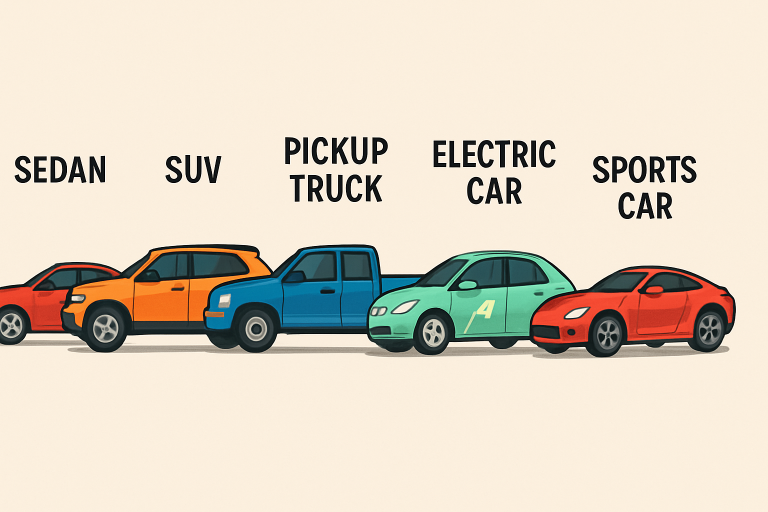
The automotive market offers a diverse array of vehicle styles, each designed with specific lifestyles in mind:
- Compact Cars are best suited for city living due to their maneuverability, fuel economy, and ease of parking.
- SUVs and Crossovers are excellent for larger families, road trippers, and those needing more space or driving in varied weather conditions.
- Pickup Trucks: Ideal for home improvement projects, towing, or transporting heavy or large items.
- Electric Vehicles (EVs) are perfect for those focused on sustainability and reducing emissions, especially if you have access to convenient charging.
- Sports Cars: For drivers who crave acceleration, agility, and an exhilarating driving experience.
Comparing vehicle types based on your most common activities will quickly narrow your choices and make the next steps much more manageable. Large automotive guides such as Consumer Reports provide more detailed overviews of vehicle styles and purposes.
Key Performance Metrics
Understanding performance specifications helps you find a car that balances power, efficiency, and practicality. Three major metrics to consider include:
- Horsepower and Torque: Higher numbers provide greater acceleration and towing capacity. This is especially relevant if you drive on highways or need to haul loads.
- Fuel Economy: Gas mileage is essential for budgeting fuel costs and minimizing environmental impact. Compare miles per gallon (MPG) for city and highway driving; hybrids and EVs may further reduce fuel expenses.
- Cargo Space and Passenger Capacity: Verify the specs for trunk size, seat configurations, and foldable options to comfortably accommodate your passengers and belongings.
Evaluating these features will lead you to models that fit both your expectations for daily performance and your broader lifestyle requirements. Modern vehicles have technology that enhances performance and efficiency, often showcased in reputable resources like Edmunds.
Evaluating Safety Features
Safety technology advances rapidly, so prioritize the latest driver assistance systems and robust protective features. Look for automatic emergency braking, adaptive cruise control, blind-spot detection, and alert systems to reduce the risk of accidents. Safety ratings from agencies like the National Highway Traffic Safety Administration (NHTSA) allow you to compare crash test results for frontal, side, and rollover protection across brands and models.
Child safety locks, seatbelt monitors, and advanced airbag systems are particularly important for families. As part of your research, review the full safety suite of any vehicle under consideration and check for recalls or reliability scores.
Budget and Ownership Costs
The sticker price is only the beginning when it comes to determining what you can really afford. Calculate ownership costs such as monthly payments, insurance, routine maintenance, fuel consumption, and depreciation. Don’t forget potential repairs and the resale value when planning your budget. Financial experts recommend ensuring all car-related expenses add up to no more than 15%–20% of your take-home pay.
Leasing may offer lower initial payments and access to newer vehicles, but buying outright or financing a car often provides better long-term value if you plan to keep the vehicle for many years. Comparing offers and incentives across dealerships can help you get the best possible deal, maximizing your investment and long-term satisfaction.
Reviewing all these considerations gives you the clarity and confidence to select a vehicle that truly aligns with your needs and preferences. With careful planning and informed decisions, your next car will be a trusted companion on every journey.
Final Thoughts
Selecting the ideal vehicle goes beyond aesthetics—aligning features, performance, and comfort with your daily needs and long-term goals. Whether you prioritize fuel efficiency, cargo space, advanced tech, or off-road capabilities, understanding your routine and preferences is key to making a confident choice. With research and thoughtful comparison, the process becomes more manageable and rewarding. The right car supports your lifestyle and enhances it, offering peace of mind, convenience, and lasting satisfaction every time you hit the road.