
How to become a cat foster parent is a question many animal lovers ask when they want to help cats but cannot make a permanent adoption commitment.
Fostering can be one of the most rewarding ways to help an animal. You give a cat a safe place to stay, learn what the cat needs, and help prepare that cat for a permanent home. At the same time, you give a shelter or rescue group more room to help other animals.
However, fostering is not simply about giving a cat food and a warm bed. Cats can arrive scared, sick, shy, playful, hungry, or confused. Therefore, a good foster parent needs patience, basic cat-care skills, a safe space, and a willingness to communicate with the rescue organization.
The good news is that you do not need to be a cat expert to start.
Most rescue groups provide instructions, supplies, veterinary support, and guidance. For example, the ASPCA explains that foster homes can provide animals with a safe and healthy environment while they heal, grow, or receive extra care before adoption.
So, if you have been thinking about fostering, this guide will walk you through the entire process.
Table of Contents
What Does It Mean to Foster a Cat?
Before learning how to become a cat foster parent, it helps to understand what fostering actually means.
A foster parent temporarily cares for a cat on behalf of an animal shelter, rescue group, or similar organization.
The cat does not normally become your permanent pet.
Instead, you provide daily care until the rescue finds a suitable permanent home or decides on the next step for the cat.
Your role may include:
- Feeding the cat
- Providing fresh water
- Cleaning the litter box
- Giving approved medication
- Watching the cat’s behavior
- Providing play and gentle attention
- Helping a shy cat feel safe
- Taking photographs
- Sharing personality information
- Attending adoption events when required
- Communicating with the rescue team
- Taking the cat to approved veterinary appointments
The exact duties vary from one organization to another.
Therefore, always ask the rescue what it expects before accepting a foster cat.
Why Cat Fostering Matters
One of the biggest reasons how to become a cat foster parent receives so much attention is that foster homes can make a real difference.
Animal shelters can become crowded. Cats may also struggle in noisy shelter settings.
A quiet foster home can give a cat more space and time to relax.
According to the ASPCA, fostering can create more shelter space for other animals that need help.
In addition, foster parents can give rescue workers information that may be difficult to learn inside a busy shelter.
For example, a foster parent might discover:
- The cat loves children.
- The cat dislikes loud noises.
- The cat uses the litter box reliably.
- The cat enjoys other cats.
- The cat prefers quiet rooms.
- The cat likes being brushed.
- The cat becomes playful at night.
- The cat needs slow introductions.
That information can help the rescue find a better permanent match.
How to Become a Cat Foster Parent Step by Step
If you want a simple answer to how to become a cat foster parent, the process usually looks like this:
- Decide whether fostering fits your life.
- Find a local shelter or rescue.
- Read its foster requirements.
- Complete the application.
- Attend required training.
- Prepare a separate safe area.
- Purchase or receive needed supplies.
- Choose a foster cat with the rescue team.
- Follow the care instructions.
- Track the cat’s health and behavior.
- Communicate regularly with the organization.
- Help the cat meet suitable adopters.
- Prepare for the cat to leave.
- Clean and reset your foster space.
- Decide whether you want to foster again.
The process may differ by organization.
Still, these steps provide a useful starting point.
Check Whether Fostering Fits Your Lifestyle
Before asking how to become a cat foster parent, ask a more important question:
Can I provide consistent care for a temporary cat?
Think about your daily schedule.
Do you work long hours?
Do you travel often?
Do you have young children?
Do you already have pets?
Does your landlord allow pets?
Can you keep a foster cat separate from your own animals when needed?
These questions matter because every foster cat has different needs.
A healthy adult cat may need less hands-on care than a litter of young kittens.
Likewise, a recovering cat may require medication or frequent observation.
Therefore, choose a foster situation that matches your time and experience.
Understand the Different Types of Foster Cats
Another important part of how to become a cat foster parent is understanding that rescue groups may need different kinds of foster homes.
You might foster:
Healthy Adult Cats
These cats may simply need a temporary home while waiting for adoption.
Kittens
Kittens can require frequent meals, play, cleaning, and social time.
Nursing Mothers
A mother cat with kittens may need a calm room, food, water, litter, and plenty of rest.
Shy Cats
Some cats need time to become comfortable with people.
Senior Cats
Older cats may need extra comfort and closer health monitoring.
Cats Recovering From Illness
Some cats need medication or veterinary follow-up.
Bonded Cats
Some cats should stay together because they have a strong relationship.
Ask the rescue which type is best for your experience level.
Choose a Rescue Organization Carefully
When researching how to become a cat foster parent, do not choose a rescue only because it has cute cats on social media.
You also need a reliable support system.
Look for an organization that clearly explains:
- Foster requirements
- Veterinary support
- Emergency procedures
- Food policies
- Supply support
- Adoption procedures
- Communication methods
- Foster duration
- Medication rules
- Transportation expectations
A good rescue should answer your questions before you take the cat home.
Alley Cat Allies also provides resources that help communities connect with cat-related services, including local support and veterinary resources.
Ask These Questions Before Saying Yes
A major part of how to become a cat foster parent is learning to ask questions.
Before accepting a cat, ask:
- How old is the cat?
- What is the cat’s medical history?
- Has the cat seen a veterinarian?
- Has the cat received required vaccines?
- Has the cat been tested for relevant diseases?
- Is the cat spayed or neutered?
- Does the cat take medication?
- What food should I provide?
- How long might fostering last?
- Can the cat live with other animals?
- Does the cat use a litter box?
- What should I do during an emergency?
- Who should I contact after hours?
- Who pays veterinary costs?
- What supplies does the rescue provide?
- Can I choose the adopter?
- Am I expected to attend adoption events?
- Can I travel with the foster cat?
- What behavior should I report?
- What happens if fostering becomes too difficult?
Clear answers can prevent stress later.
Complete the Foster Application
Most established rescues use an application process.
The application may ask about your:
- Home
- Schedule
- Previous pet experience
- Current pets
- Children
- Housing rules
- Veterinary experience
- Availability
- Preferred type of foster cat
Do not worry if you have never fostered before.
Many organizations welcome beginners.
However, be honest.
If you cannot care for kittens that need frequent attention, say so.
If you have no experience giving medication, tell the rescue.
Honest answers help the organization match you with the right cat.
Take Foster Training Seriously
Training is an important part of how to become a cat foster parent.
Even a short training session can teach you things that make fostering easier.
Training may cover:
- Cat body language
- Feeding
- Litter care
- Safe handling
- Basic grooming
- Medication
- Cleaning
- Disease prevention
- Emergency situations
- Cat introductions
- Adoption support
You should also learn when to contact the rescue.
Never feel embarrassed about asking for help.
A new foster parent who asks questions early can often prevent a small problem from becoming a large one.
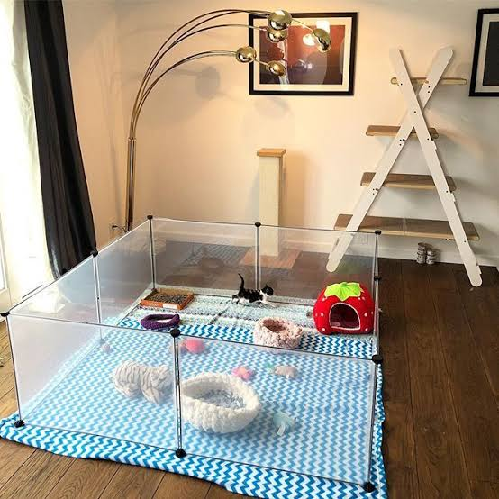
Prepare a Dedicated Foster Room
Before your foster cat arrives, prepare a quiet space.
A separate room often works well.
The room should contain:
- Food bowl
- Water bowl
- Litter box
- Comfortable bed
- Hiding place
- Scratching surface
- Safe toys
- Cleaning supplies
- Carrier
Remove dangerous objects.
Secure loose wires.
Close small openings where a cat could become trapped.
Keep windows and doors secure.
Also remove plants that could harm cats.
A simple bedroom, bathroom, laundry room, or spare room may work, depending on the cat and your home.
Why a Separate Room Matters
Many beginners learning how to become a cat foster parent want to introduce the foster cat to everyone immediately.
That can be a mistake.
A new cat may already feel stressed.
Moving from a shelter or transport situation into a new home can create a lot of unfamiliar sights, sounds, smells, and people.
Therefore, start slowly.
Give the cat a safe room.
Let the cat explore at its own speed.
Some cats walk out of the carrier immediately.
Others hide for several days.
Both reactions can happen.
Alley Cat Allies notes that cats can show very different levels of comfort with people, and a cat’s behavior in a frightening environment may not always show its true personality.
Learn to Read Cat Body Language
Understanding body language is one of the most useful skills for how to become a cat foster parent.
A relaxed cat may:
- Hold its body loosely
- Keep its ears in a normal position
- Walk around calmly
- Eat normally
- Groom itself
- Play
- Approach you
- Rub against objects
A frightened cat may:
- Hide
- Crouch
- Hiss
- Growl
- Flatten its ears
- Keep its body tense
- Avoid eye contact
- Swat when approached
Alley Cat Allies describes many of these behaviors in its guide to cat socialization.
Remember, fear does not automatically mean a cat is aggressive.
Often, the cat simply wants more space.
Give a Nervous Cat Time
A common mistake is trying too hard.
You might want to hold the cat.
You might want to pet it.
You might want to show it to your family.
However, the cat may need the opposite.
Give the cat quiet time.
Sit nearby.
Read a book.
Talk softly.
Avoid staring directly at the cat for long periods.
Let the cat approach you.
Over time, the cat may begin to connect your presence with food, safety, and calm.
Feed the Cat According to Rescue Instructions
Food is an important part of how to become a cat foster parent.
Do not suddenly change the cat’s diet unless the rescue or veterinarian tells you to do so.
A sudden food change can upset the stomach.
Ask the rescue:
- What brand of food?
- How much food?
- How often?
- Wet food or dry food?
- Are treats allowed?
- Does the cat have allergies?
- Does the cat need special food?
Always provide fresh water.
Also clean food and water bowls regularly.
Keep the Litter Box Clean
Cats usually prefer clean litter boxes.
Scoop the box regularly.
Remove waste as instructed by the rescue.
Watch the cat’s litter habits.
Changes can sometimes signal stress or health problems.
For example, tell the rescue if you notice:
- No urination
- Trouble urinating
- Blood
- Severe diarrhea
- Repeated vomiting
- Sudden accidents
- Major changes in litter habits
Do not attempt to diagnose serious problems yourself.
Contact the rescue’s veterinary support team.
Create a Simple Daily Foster Routine
A routine makes fostering easier.
For example:
Morning
- Check water.
- Feed the cat.
- Scoop litter.
- Check behavior.
- Give approved medicine.
Afternoon
- Provide quiet interaction.
- Offer play if appropriate.
- Check food and water.
Evening
- Feed dinner.
- Scoop litter.
- Spend calm time together.
- Record anything unusual.
Before bed
- Check the room.
- Make sure doors and windows are secure.
- Confirm the cat has water and a comfortable place to sleep.
A routine also helps you notice changes.
Use Play to Build Trust
Play can help some cats feel more comfortable.
Try safe toys such as:
- Wand toys
- Soft balls
- Cat tunnels
- Simple puzzle toys
- Lightweight toys
Never leave unsafe toys unattended.
Avoid toys with loose strings or small parts that the cat could swallow unless the rescue approves them.
For shy cats, play can also create distance.
A cat may not want your hand near its face, but it may happily chase a toy.
That can become the beginning of trust.
Socialize the Cat Slowly
Socialization is another key part of how to become a cat foster parent.
Socialization means helping a cat become comfortable with normal human interaction.
However, it does not mean forcing a cat to accept handling.
Alley Cat Allies explains that socialization involves gradually helping cats become comfortable with human touch, spaces, sights, smells, and sounds.
For kittens, the process can involve gentle interaction, play, new people, and safe experiences.
Yet every cat is different.
Some cats learn quickly.
Others need much more time.
Know When Not to Socialize a Cat
Not every outdoor cat needs an indoor foster home.
This point matters greatly when learning how to become a cat foster parent.
Some community cats are comfortable living outdoors and may not be suitable for indoor adoption.
Alley Cat Allies explains that community cats can have different levels of socialization and that some unsocialized cats are better suited to outdoor life with humane community-cat programs.
Therefore, do not assume every outdoor cat should become a house pet.
Ask an experienced rescue or animal-care professional for guidance.
Be Careful With Young Kittens
Kittens can look helpless, but that does not mean every kitten should immediately be removed from its outdoor location.
Sometimes the mother is nearby.
Alley Cat Allies advises people not to separate very young kittens from their mother when the mother is caring for them.
Therefore, if you find kittens outdoors, contact a qualified local rescue or animal-care group before moving them.
For kittens that truly need foster care, the work can include:
- Feeding
- Cleaning
- Warmth
- Socialization
- Weight tracking
- Veterinary care
- Safe play
Young kittens can require much more time than adult cats.
Keep Your Own Pets Safe
If you already have pets, this becomes a major part of how to become a cat foster parent.
Do not assume your resident cat or dog will immediately accept the foster.
Keep animals separated at first.
Follow the rescue’s instructions.
Use separate:
- Food bowls
- Water bowls
- Litter boxes
- Bedding
- Toys
Ask the rescue when and how introductions should happen.
Some foster cats should remain separated for their entire foster period.
That decision depends on health, behavior, and the rescue’s policy.
Introduce Cats Slowly When Approved
If introductions are allowed, move slowly.
Start with scent.
For example, you may allow cats to smell bedding from the other animal.
Later, they may see one another through a barrier.
Eventually, controlled meetings may happen.
Never rush.
A bad introduction can create fear and fighting.
Also remember that successful introductions can take days or weeks.
Understand the Advantages of Fostering
The benefits explain why many people search how to become a cat foster parent.
Advantage 1: You Help a Cat
You give an animal a safe place during a difficult period.
Advantage 2: You Help the Rescue
A foster home gives the organization another place to care for animals.
The ASPCA specifically highlights the way foster homes can create more space in shelters.
Advantage 3: You Learn About Cats
You gain real experience with cat behavior and care.
Advantage 4: You Can Try Pet Care
Fostering can help someone understand what living with a cat involves.
Advantage 5: You Help With Adoption
Your observations can help match the cat with the right family.
Advantage 6: You Can Make a Personal Difference
Even one successful foster can be meaningful.
The Disadvantages of Cat Fostering
Fostering also has challenges.
Being honest about them is an important part of how to become a cat foster parent.
Challenge 1: Emotional Attachment
You may love the cat.
Saying goodbye can hurt.
Challenge 2: Cleaning
Litter, hair, accidents, and food messes are part of the job.
Challenge 3: Time
Some cats require daily attention.
Challenge 4: Unexpected Problems
A cat may become sick or show behavior problems.
Challenge 5: Adoption Delays
You may expect a short foster period, but the cat may need you longer.
Challenge 6: Foster Failure
Sometimes foster parents decide to adopt the cat themselves.
That can be wonderful, but it also means you may lose your ability to take another foster immediately.
How to Handle Foster Failure
“Foster failure” is the friendly term people often use when a foster parent adopts the foster cat.
It happens.
However, consider your decision carefully.
Ask yourself:
- Can I afford another permanent pet?
- Does my home have enough space?
- Do my current pets accept this cat?
- Can I provide long-term veterinary care?
- Did I originally want to foster because adoption was not possible?
Talk to the rescue before making a final decision.
Sometimes the best way to help many cats is to keep fostering rather than adopt every cat.
Track the Cat’s Behavior
Good notes can make you a better foster parent.
Record:
- Feeding habits
- Litter use
- Sleeping habits
- Favorite toys
- Fear triggers
- Social behavior
- Reactions to people
- Reactions to animals
- Medication
- Health changes
For example:
“Milo hides when new people enter the room but comes out after about 20 minutes. He enjoys wand toys and eats wet food quickly.”
That information is far more useful than simply saying:
“Milo is shy.”
Take Good Photos of Your Foster Cat
Good photographs can help a cat get noticed.
Use natural light when possible.
Take pictures when the cat is calm.
Try to capture:
- Face
- Full body
- Play
- Relaxed behavior
- Unique markings
- Personality
Avoid forcing the cat into uncomfortable poses.
A cat’s comfort comes first.
Alley Cat Allies also recommends paying attention to small identifying details when describing cats, because coat colors and patterns can look similar.
Help Tell the Cat’s Story
A rescue organization may ask you for adoption information.
You can describe the cat’s personality.
Instead of saying:
“Nice cat.”
Give useful details:
“Luna enjoys quiet homes, loves sitting beside people, uses her litter box well, and becomes playful in the evening.”
Specific information helps potential adopters understand the cat.
Do Not Hide Behavioral Problems
This is one of the most important rules in how to become a cat foster parent.
Do not hide problems because you want the cat adopted quickly.
Tell the rescue if the cat:
- Bites
- Scratches
- Hides constantly
- Has litter problems
- Fights with other animals
- Shows food aggression
- Becomes extremely frightened
- Stops eating
- Acts unusually
The goal is not to make the cat look perfect.
The goal is to find the right home.
Honest information can protect both the cat and the adopter.
Learn Basic Cat Health Warning Signs
You are not expected to become a veterinarian.
However, you should recognize when something seems wrong.
Contact the rescue promptly if you notice major changes such as:
- Refusing food
- Repeated vomiting
- Severe diarrhea
- Difficulty breathing
- Extreme weakness
- Sudden collapse
- Trouble urinating
- Serious injury
- Severe bleeding
- Major behavior changes
Follow the rescue’s emergency instructions.
Do not wait for an online article to tell you what to do during a serious emergency.
Follow Veterinary Instructions Exactly
If the rescue gives you medication instructions, follow them carefully.
Write down:
- Medicine name
- Dose
- Time
- Method
- Number of days
Use a reminder if necessary.
Never change the dose without veterinary guidance.
Also, do not give human medication to a cat unless a veterinarian specifically instructs you to do so.
Keep Foster Records Organized
A small notebook or digital document can help.
Create sections for:
Health
- Appetite
- Weight if requested
- Medication
- Symptoms
Behavior
- Friendly
- Shy
- Playful
- Fearful
Daily Care
- Food
- Water
- Litter
- Play
Adoption
- Favorite activities
- Personality
- Good home environment
- Important behavior notes
Good records make handoffs easier.
Communicate With the Rescue Team
Communication is one of the biggest factors in successful fostering.
Do not disappear after taking the cat home.
Send updates as requested.
Ask questions when you are unsure.
Report problems early.
Also tell the rescue about positive progress.
For example:
“She came out of hiding today and played with me for the first time.”
That small update can help the team understand the cat’s progress.
What Expert Advice Says About Cat Socialization
When discussing how to become a cat foster parent, expert guidance matters.
Alley Cat Allies emphasizes that cats exist across a wide socialization range. Some enjoy close human contact, while others are uncomfortable around people.
That means foster parents should avoid using one method for every cat.
Instead:
- Watch the cat.
- Learn the cat’s comfort level.
- Move slowly.
- Reward calm behavior.
- Avoid forcing contact.
- Ask the rescue for help.
For kittens, Alley Cat Allies also recommends gradual interaction and safe exposure to different people and experiences when socialization is appropriate.
Real-Life Example: A Shy Foster Cat
Imagine a cat named Oliver.
Oliver arrives at a rescue after living in a stressful environment.
At first, he hides under a bed.
He does not approach his foster parent.
Instead of grabbing him, the foster parent gives him food, water, litter, a hiding box, and quiet time.
On day three, Oliver comes out while the foster parent sits quietly nearby.
On day five, he plays with a wand toy.
On day eight, he allows a short touch.
After several weeks, Oliver begins sitting beside the foster parent.
The foster parent then reports these changes to the rescue.
This example shows why patience matters.
The cat did not need to be forced to become friendly.
He needed safety and time.
Case Study: A Kitten Foster Experience
Consider another example.
A rescue receives three young kittens that need temporary care.
A trained foster family creates a kitten-safe room.
They follow the rescue’s feeding plan.
They keep the room clean.
They provide safe play.
They track the kittens’ progress.
They also introduce the kittens to normal household sounds in a controlled way.
As the kittens grow, they become more comfortable with people.
Eventually, the rescue begins looking for permanent homes.
The foster family provides detailed personality notes.
One kitten loves people.
Another prefers a quieter home.
The third enjoys playing with other cats.
Those details help the rescue make better adoption matches.
A Simple Cat Foster Budget
One reason people ask how to become a cat foster parent is concern about cost.
Costs vary widely.
Some rescues provide most supplies and veterinary care.
Others expect foster parents to provide certain basic items.
Potential expenses may include:
| Item | Possible Foster Cost |
| Food | Low to moderate |
| Litter | Low to moderate |
| Litter box | One-time cost |
| Toys | Low |
| Bed | Optional |
| Carrier | One-time cost |
| Cleaning supplies | Low |
| Veterinary care | Often rescue-supported |
| Medication | Often rescue-supported |
| Emergency care | Depends on rescue policy |
Important: Never assume that you must personally pay a veterinary bill. Ask the rescue about its policy before accepting the cat.
Cat Foster Parent Supply Checklist
Use this simple checklist before your first foster.
Essential Supplies
- ☐ Food
- ☐ Water bowl
- ☐ Food bowl
- ☐ Litter box
- ☐ Cat litter
- ☐ Scoop
- ☐ Carrier
- ☐ Bedding
- ☐ Hiding place
- ☐ Scratching surface
- ☐ Safe toys
- ☐ Cleaning supplies
Helpful Extras
- ☐ Baby gate or barrier
- ☐ Extra towels
- ☐ Small scale for kittens if required
- ☐ Notebook
- ☐ Phone camera
- ☐ Laundry-safe blankets
- ☐ Enzyme cleaner
Ask your rescue which items it supplies.
Foster Cat Preparation Chart
| Preparation Area | What You Should Do | Why It Matters |
| Safe room | Remove hazards | Prevents accidents |
| Food | Follow rescue instructions | Supports stable eating |
| Water | Provide fresh water | Prevents dehydration |
| Litter | Keep it clean | Encourages good litter habits |
| Bedding | Offer a quiet place | Helps the cat relax |
| Toys | Choose safe toys | Encourages healthy play |
| Carrier | Keep it ready | Helps with transport |
| Records | Track behavior | Helps adoption planning |
| Contacts | Save rescue numbers | Makes emergencies easier |
| Pets | Plan separation | Reduces stress and health risks |
How to Become a Cat Foster Parent If You Work Full Time
You can still foster if you work.
However, choose the right cat.
A healthy adult cat may fit a full-time work schedule better than very young kittens.
Talk openly with the rescue.
Explain:
- Your working hours
- Your commute
- Your weekends
- Your travel plans
- Your available evenings
Then ask which foster cats fit your schedule.
Do not accept a high-care foster simply because you feel guilty saying no.
A realistic match helps both you and the cat.
How to Become a Cat Foster Parent in an Apartment
You do not need a large house.
An apartment can work well.
You need:
- A safe room
- Secure windows
- Permission to keep animals when required
- Enough space for basic supplies
- A plan for litter management
- A way to transport the cat
Always check your rental agreement.
Some landlords have pet restrictions.
Some rescues also have their own housing requirements.
How to Become a Cat Foster Parent With Children
Children can enjoy fostering, but adults must remain responsible for care.
Teach children:
- Do not chase the cat.
- Do not pull the tail.
- Do not disturb the cat while eating.
- Do not wake a sleeping cat.
- Do not force hugs.
- Do not enter the foster room without permission.
- Ask an adult before picking up the cat.
Children can help with supervised play or gentle interaction.
However, they should not be responsible for medication or emergency decisions.
How to Become a Cat Foster Parent With Other Pets
If you already own cats or dogs, tell the rescue.
The rescue may recommend:
- Full separation
- Slow introductions
- Health checks
- Scent swapping
- Barrier meetings
- No direct contact
Never introduce animals simply because they appear friendly.
Some cats need complete separation.
Your resident pet’s safety matters too.
Prepare Emotionally for Goodbye
This is often the hardest part of fostering.
You may become attached.
That is normal.
Remember the purpose.
You gave the cat a safe place during a time of need.
You helped the cat become more ready for adoption.
You helped the rescue learn about the cat.
You may also have created space for another animal.
Goodbyes can hurt because the relationship mattered.
That does not mean fostering failed.
It may mean fostering worked.
Your First 30 Days as a Foster Parent
If you are wondering how to become a cat foster parent and want a simple first-month plan, use this outline.
Days 1–3
Focus on safety.
Let the cat settle.
Watch eating, drinking, litter use, and behavior.
Days 4–7
Start building a routine.
Offer gentle play and interaction if appropriate.
Week 2
Learn more about personality.
Record likes and dislikes.
Ask the rescue about progress.
Week 3
Continue socialization if appropriate.
Take adoption photographs.
Share personality information.
Week 4
Review the cat’s progress.
Discuss adoption plans with the rescue.
Remember that not every foster follows this exact schedule.
Some cats need much longer.
Frequently Asked Questions About How to Become a Cat Foster Parent
1: How to become a cat foster parent with no experience?
You can start by contacting a local animal shelter or rescue organization and asking about its beginner foster program. Many organizations provide training and support.
2: Do I need to own a cat first?
No. You do not always need previous cat ownership experience. However, the rescue may match you with an easier foster cat if you are new.
3: How long does a foster cat stay?
The period varies. A cat may stay for days, weeks, or longer depending on health, behavior, adoption demand, and the rescue’s situation.
4: Does fostering cost money?
It depends on the organization. Some rescues provide food, litter, supplies, and veterinary care. Others may ask foster parents to provide certain basic items.
5: Who pays for veterinary treatment?
Many organized rescue programs cover approved veterinary care. However, policies differ, so ask before accepting your first foster.
6: Can I foster a cat if I work full time?
Yes. A healthy adult cat may fit a full-time work schedule better than a young kitten. Discuss your schedule with the rescue.
7: Can I foster if I live in an apartment?
Often, yes. You need a safe space and must follow your housing rules and the rescue’s requirements.
8: Can children help with a foster cat?
Yes, with adult supervision. Children should learn gentle handling and understand when to leave the cat alone.
9: Can I foster if I already have pets?
Possibly. However, you may need to keep the foster separate from your pets. Follow the rescue’s health and introduction rules.
10: What if my foster cat hides?
Give the cat time. Provide food, water, litter, and a safe hiding place. Avoid forcing the cat out. Contact the rescue if the cat does not eat, drink, or use the litter box normally.
11: What if my foster cat scratches me?
Stop the interaction and give the cat space. Tell the rescue what happened, especially if the scratch is serious or the behavior repeats.
12: Can I choose which cat I foster?
Often, you can discuss your preferences with the rescue. However, the organization may recommend a particular cat based on your home and experience.
13: Can I adopt my foster cat?
Some organizations allow foster parents to adopt their foster animals. Ask about the rescue’s foster-to-adopt policy.
14: Is fostering better than adopting?
Neither is automatically better. Adoption provides a permanent home, while fostering provides temporary care and can allow you to help multiple cats over time.
15: How many cats should a beginner foster?
Starting with one cat or a manageable pair is often easier than taking on a large group. Your rescue can recommend a suitable starting point.
16: Should I let my foster cat sleep with me?
Ask the rescue. Some programs recommend keeping foster cats in a separate room, especially during the early period or when health risks exist.
17: What if the cat becomes sick?
Contact the rescue immediately and follow its veterinary instructions. Do not wait if the cat shows serious symptoms.
18: What if I cannot continue fostering?
Tell the rescue as soon as possible. Do not abandon or rehome the foster yourself unless the organization specifically approves it.
19: Can I travel while fostering?
Ask the rescue first. Some cats need continuous care, and moving them can cause stress. A backup caregiver may be needed.
20: How can I become better at fostering cats?
Learn cat body language, follow rescue instructions, keep good records, ask questions, and stay patient. Every foster experience teaches you something new.
Final Thoughts: Is Cat Fostering Right for You?
Learning how to become a cat foster parent is only the first step.
Successful fostering comes from patience, preparation, communication, and kindness.
You do not need to know everything before you begin.
Instead, you need to be willing to learn.
Start by finding a reputable local rescue or shelter. Ask about its foster program. Learn what supplies and veterinary support it provides. Then explain your schedule, home, experience, and comfort level.
Most importantly, choose a foster situation that you can realistically handle.
A calm adult cat may be perfect for one beginner. A group of young kittens may be perfect for another person with more time. A shy cat may need someone who enjoys slow progress. A recovering cat may need a person who can carefully follow medical instructions.
There is no single perfect foster parent.
There is only the right match between a person, a rescue, and a cat.
If you are still wondering how to become a cat foster parent, take one small step today: contact a local shelter or rescue and ask about its current foster requirements.
Your spare room, your time, and your patience could give a cat something extremely important—a safe place to wait for a better future.
And sometimes, that temporary home becomes the bridge between a frightened shelter cat and a loving forever family.
External Resources for New Cat Foster Parents
For readers researching how to become a cat foster parent, these organizations offer useful educational material:
- ASPCA — Why Foster a Cat or Kitten — Information about the benefits of fostering and how foster homes support cats and shelters.
- Alley Cat Allies — Cat Socialization Continuum — Helpful guidance on understanding different levels of cat socialization.
- Alley Cat Allies — How to Socialize a Kitten — Practical information about kitten socialization and appropriate care.
- Alley Cat Allies — Cat Identification Guide — Useful guidance for identifying cats by coat, markings, and other features.
- Alley Cat Allies — Community Cat Resources — A resource tool for finding cat-related services in supported locations.